What Is Asbestos Encapsulation and When Is It Used?
Asbestos encapsulation means you're applying a specialized sealant to asbestos-containing materials, securing hazardous fibers in place to stop their release. You'll use this technique when the asbestos is steady, hard to get to, or removal can damage structures or balloon costs. Rules require certified specialists, stringent protocols, and ongoing tracking. Encapsulation commonly reduces expenditure, downtime, and risk— but does not get rid of asbestos or future threats. There's even more to think about relating to items, steps, legal rules, and threats for finest results.
Takeaways
- Asbestos encapsulation involves using specialized layers or sealers to asbestos-containing products to avoid fiber release without removing them.
- It is utilized when asbestos-containing materials are steady, intact, and removal would certainly cause unneeded disruption or structural threat.
- Encapsulation is often chosen for cost savings, reduced project duration, and very little structure disruption contrasted to full asbestos elimination.
- The process needs to be carried out by qualified experts following strict safety, regulatory, and monitoring requirements to safeguard passengers and workers.
- Encapsulation is ideal for delicate substratums, historic structures, or locations where asbestos removal is not practical or also costly.
What Is Asbestos Encapsulation?
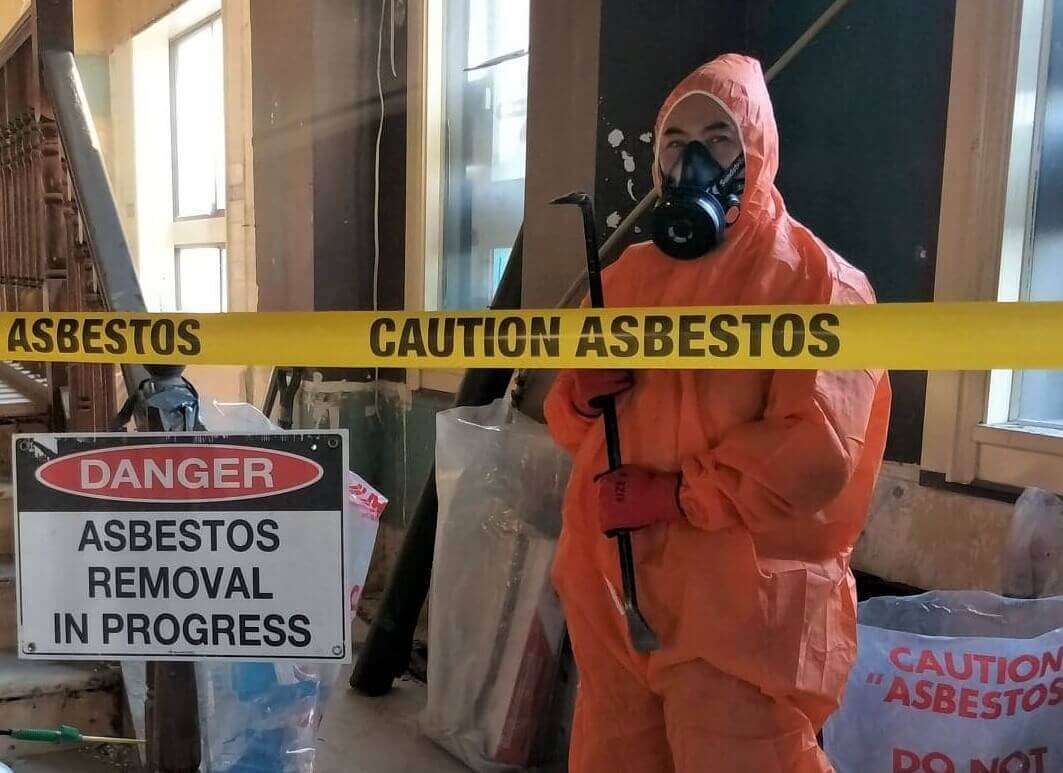
When you encounter asbestos-containing materials, encapsulation attracts attention as a sensible approach to take care of prospective risks without removing the product. Asbestos encapsulation involves applying a specialized covering or sealant-– called encapsulation materials— directly over the asbestos surface. This process binds the fibers, stopping them from becoming airborne and lowering direct exposure threats. You'll need a strong structure in asbestos awareness to select the proper encapsulation product and assurance conformity with security regulations. Only certified experts should undertake this procedure, complying with all regional and government standards. Routine evaluations are essential to examine the stability of the encapsulation with time. By going with encapsulation, you're not disrupting the asbestos, which indicates much less threat of fiber launch and boosted security for developing owners.
When Is Encapsulation Better Than Removal?
You'll usually locate encapsulation is more effective when very little disturbance to asbestos-containing products is needed, specifically to keep security standards. It's additionally a wise choice if removal can endanger the structural stability of a structure or facility. Additionally, encapsulation can use substantial cost financial savings contrasted to complete abatement, while still satisfying governing conformity.
Marginal Disruption Needed
If asbestos-containing products are secure and intact, encapsulation is typically more effective to removal due to the fact that it lessens the threat of fiber release during treatment. When you choose encapsulation, you're focusing on worker safety and regulative conformity by making sure that marginal resonance and disturbance take place throughout the process. https://friernbarnetasbestosremoval.co.uk/services/refurbishment-demolition-survey.html Encapsulation involves using a specialized sealant that bonds to the asbestos, successfully supplying surface area securing and including harmful fibers.
Below's why encapsulation is the appropriate option when very little disruption is needed:
- Lowers threat: Encapsulation maintains asbestos fibers had, greatly decreasing airborne contamination.
- Governing compliance: This method straightens with safety and security laws that focus on limiting exposure and disruption.
- Effectiveness: The procedure requires less physical disruption, making it much faster and safer than complete asbestos elimination.
Architectural Stability Concerns
Although asbestos elimination may appear like the definitive remedy, encapsulation is commonly the premium selection in buildings where the underlying framework is breakable or integrally related to asbestos-containing materials. You require to take into consideration the risk of structural degradation throughout removal— particularly in older or load-bearing buildings— since disturbing asbestos can compromise assistance components and pressure unintentional tons redistribution. Encapsulation stabilizes the harmful product without endangering the stability of wall surfaces, ceilings, or insulation. This method lines up with regulative advice focusing on employee and occupant safety and security, while keeping conformity with structure codes.
Scenario
Encapsulation Advantage
Elimination Threat
Fragile Substratums
Avoids damages
May cause collapse
Integrated Products
Preserves framework
Damages joins
Historic Buildings
Preserves original textile
Changes style
Load-Bearing Surface areas
Avoids tons redistribution
Structural failing feasible
Minimal Accessibility Areas
Lowers disturbance
Tough to safely remove
Cost-Effectiveness Variables
Beyond structural factors to consider, task budgets and lasting financial preparation commonly drive the choice in between asbestos encapsulation and elimination. If you're considering these options, it's important to consider not just ahead of time prices, yet additionally the ramifications for long term budgeting and regulatory compliance. Encapsulation is typically favored when:
- Lower Preliminary Prices: Encapsulation generally needs much less labor and specialized disposal, resulting in immediate expense financial savings.
- Lifecycle Analysis: When asbestos-containing materials are stable and uninterrupted, encapsulation can minimize ongoing maintenance expenditures over the system's lifecycle. https://friernbarnetasbestosremoval.co.uk/services/artex-removal.html
- Regulatory Requirements: In lots of regulated settings, encapsulation satisfies safety and security standards without the interruption and risks linked to complete elimination.
Careful evaluation warranties you select the safest, most affordable approach for your center's needs.
Lawful and Safety And Security Regulations for Encapsulation

When you're taking care of asbestos encapsulation, stringent adherence to legal and safety and security guidelines is non-negotiable to shield both workers and building occupants. You need to guarantee regulative compliance by following national, state, and local legislations, such as OSHA and EPA standards. Correct employee training is crucial— only qualified specialists should take care of encapsulation, with training on risk-free handling, PPE, and emergency procedures. Continual air monitoring and record-keeping are also needed throughout the process. Failure to abide may result in serious penalties and health and wellness risks. To assist you visualize some core needs, see the table below:
Need
Summary
Regulatory Compliance
Comply with all appropriate asbestos legislations
Worker Training
Just educated, licensed personnel enabled
PPE Usage
Obligatory for all employees
Air Surveillance
Screen for air-borne fibers
Documents
Maintain comprehensive records of all actions
Kinds Of Asbestos Encapsulation Products
Choosing the best asbestos encapsulation item is crucial for guaranteeing both regulatory compliance and long-term safety and security. You require to recognize the major types of items readily available and exactly how each fulfills details needs. The most usual asbestos encapsulation products fall under 3 classifications:
- Encapsulation layers: These are spray- or brush-applied liquids that develop a durable membrane layer over asbestos-containing products, avoiding fiber release.
- Permeating encapsulants: Developed to soak into the asbestos material, these items strengthen and bind fibers internally, minimizing friability.
- Surface area sealants: These develop a safety layer over intact asbestos surface areas, locking fibers in area and providing an added barrier versus disruption.
When choosing a product, always verify that it's accepted for the specific asbestos kind and application, making sure both legal conformity and ideal defense.
Just How to Safely Encapsulate Asbestos: Step-by-Step
After you have actually determined the appropriate encapsulation product for your asbestos-containing product, it is essential to adhere to a methodical process to guarantee security and regulatory conformity. First, establish control obstacles making use of plastic sheeting and negative atmospheric pressure systems to stop fiber release into adjacent areas. Do not neglect to use appropriate individual protective devices (PPE) consisting of respirators and disposable coveralls. Extensively clean the surface area to get rid of dirt and debris, as this boosts attachment. Next off, validate your encapsulant choice matches the substrate and ecological problems. Use the encapsulant making use of manufacturer-recommended tools and methods, making sure also insurance coverage and infiltration. Allow sufficient drying out time prior to getting rid of containment obstacles. Dispose of polluted materials and PPE according to neighborhood asbestos laws. Always file treatments for conformity and future reference.
Main Benefits: Cost, Safety And Security, and Speed
When you select asbestos encapsulation, you'll observe significant reductions in task expenses compared to full elimination. This method also improves workplace defense by decreasing fiber launch, aligning with stringent regulative requirements. Additionally, you can complete removal much quicker, minimizing operational downtime and disruption.
Lowered Project Expenses
Cut task prices, increase safety, and accelerate timelines by choosing asbestos encapsulation over full elimination. https://friernbarnetasbestosremoval.co.uk When you encapsulate asbestos, you're not simply fulfilling governing criteria— you're additionally making wise choices for your spending plan. Encapsulation gets rid of the requirement for complex reduction procedures, extensive labor, and unsafe waste disposal, every one of which swiftly escalate expenses.
Take into consideration these economic advantages:
- Immediate budget plan optimization: Encapsulation commonly entails much less labor and equipment, minimizing upfront expenditures.
- Reduced operational disruption: Since encapsulation is quicker, you minimize pricey downtime and keep your facility functional.
- Long-term lifecycle savings: Protecting existing materials avoids expensive substitute and continuous upkeep costs.
Improved Office Defense
While full asbestos elimination might appear like the gold standard, encapsulation uses a more secure and more effective choice that still focuses on regulative compliance. By going with encapsulation, you significantly lower the risk of airborne fiber release, straight enhancing work environment safety. This technique depends on rigorous methods, consisting of boosted training for employees to make sure they understand appropriate application strategies and the value of minimizing disruption to asbestos-containing materials. You'll additionally require to implement exposure tracking throughout the process, utilizing real-time air sampling and normal evaluations to validate that asbestos levels stay below occupational exposure limitations. These safeguards not only aid secure workers yet additionally improve compliance with health and wellness guidelines, providing a balanced technique that combines cost-effectiveness, security, and functional speed.
Faster Removal Refine
Increase your removal timeline with asbestos encapsulation, an approach that delivers significant benefits in expense, security, and functional speed. When you pick encapsulation over complete removal, you're going with a process designed for faster abatement and reduced interruption. This technique complies with governing standards while ensuring that hazardous fibers stay securely contained during recurring operations.
Right here's how encapsulation promotes expedited timelines:
- Marginal Downtime: Encapsulation permits you to maintain important centers operational, minimizing expensive closures.
- Structured Application: Specialized finishings are applied directly to asbestos-containing products, substantially reducing job duration contrasted to elimination.
- Streamlined Compliance: Encapsulation procedures are typically less complicated, making regulatory documentation and assessments more simple.
Dangers and Limitations of Encapsulation
Although encapsulation uses a less disruptive option to asbestos elimination, it is necessary to acknowledge that this approach isn't without its threats and restrictions. You should recognize that encapsulated asbestos still positions prospective dangers if the sealer wears away or is harmed with time. Regulatory requirements need long-term surveillance to validate the encapsulant stays intact and efficient. Routine air-borne testing is additionally critical; any disturbance or aging can cause fiber release, placing owners at danger. Encapsulation does not eliminate asbestos but momentarily controls direct exposure, so compliance with security methods is vital. Moreover, future renovations or upkeep can jeopardize the encapsulation, needing review. If you select this technique, you'll need to commit to recurring assessments and rigorous adherence to health and wellness standards.
Usual Asbestos Encapsulation Errors to Stay Clear Of
Even with strict regulations in location, it's remarkably easy to make essential errors throughout asbestos encapsulation that concession safety and governing conformity. To assure efficient encapsulation, you need to be conscious of one of the most common blunders experts experience:
- Incomplete attachment: If the encapsulant does not bond completely to the asbestos surface, fibers can still come to be airborne, defeating the objective of encapsulation.
- Incorrect ventilation: Falling short to give sufficient air flow during application can cause dangerous accumulations of air-borne fibers or encapsulant vapors, positioning health risks to workers and passengers.
- Ignoring surface prep work: Avoiding complete cleansing or repair can protect against correct encapsulant performance and minimize long-lasting effectiveness.
Asbestos Encapsulation Costs vs. Elimination Costs
Understanding the monetary implications of asbestos management is simply as crucial as ensuring proper encapsulation methods. When you're contrasting asbestos prices, encapsulation is typically extra affordable than complete elimination. Encapsulation normally entails using a sealer or unit, lessening disturbance and reducing labor, disposal, and governing compliance prices. strip out and asbestos removal Elimination price quotes, on the other hand, can be markedly higher because of rigorous safety and security procedures, contaminated materials handling, and potential building downtime.
Nonetheless, do not base your decision solely on ahead of time prices. Regulative companies might require elimination if the product is seriously damaged or friable. Long-term responsibility, recurring tracking, and future task constraints must factor into your assessment. Always seek advice from certified experts to ensure conformity and safety, and carefully consider asbestos rates and elimination quotes prior to proceeding.
Regularly Asked Questions
Can Encapsulated Asbestos Effect Home Worth or Resale?
Yes, encapsulated asbestos can influence residential or commercial property worth or resale. You'll often face market assumption problems, as customers may check out any kind of asbestos— enveloped or not— as a threat, influencing desirability. Home mortgage hurdles prevail, given that lending institutions occasionally require paperwork showing regulative conformity and recurring safety. Although encapsulation meets safety criteria, you'll still need to divulge its existence, which can affect arrangements and perceived long-term liability, even though the threat is technically lessened.
How Much Time Does Asbestos Encapsulation Normally Last?
Consider asbestos encapsulation as a protective guard— its lasting durability depends on the strength of that obstacle and how well you maintain it. Typically, encapsulation can last 10 to 20 years or much more if you carefully comply with maintenance schedules, monitor for damages, and follow safety guidelines. You'll require routine inspections to make particular the encapsulant remains intact, as regulatory guidelines require consistent oversight to maintain security and efficiency in time.
Is Encapsulated Asbestos Safe for Children and Pets?
Encapsulated asbestos is generally thought about safe for kids and pets as long as the encapsulation remains intact, lessening kid security and family pet direct exposure threats. Nevertheless, you need to regularly inspect encapsulated areas per regulatory standards, since damages or degeneration can launch unsafe fibers. If you discover cracks, peeling off, or wear, call accredited experts instantly. Maintaining rigorous access controls and tracking is essential for continuous safety and security, especially in homes with at risk occupants like kids and animals.
Can I Envelop Asbestos Myself or Hire a Specialist?
You should not try to envelop asbestos yourself due to severe do it yourself threats, consisting of potential exposure to hazardous fibers. Licensing demands differ by location, yet a lot of jurisdictions mandate that just qualified specialists manage asbestos. Experts have the best tools, training, and adhere to stringent safety procedures to protect you and others. For your security and legal compliance, always employ a accredited asbestos specialist rather than trying to handle asbestos encapsulation on your own.
What Indications Indicate Encapsulation Has Failed?
You'll know encapsulation has failed if you see aesthetic damage, such as splits, peeling off, or harmed finish on the asbestos-containing material. If you discover dirt or particles, that's a solid indication, as it implies air-borne fibers might be present, posing significant health risks. It's essential to comply with regulatory standards— don't disrupt the area. Rather, call certified experts instantly to analyze the circumstance and make particular conformity with security guidelines.